Funding and Grants for Disability-Focused Handcycle Expeditions
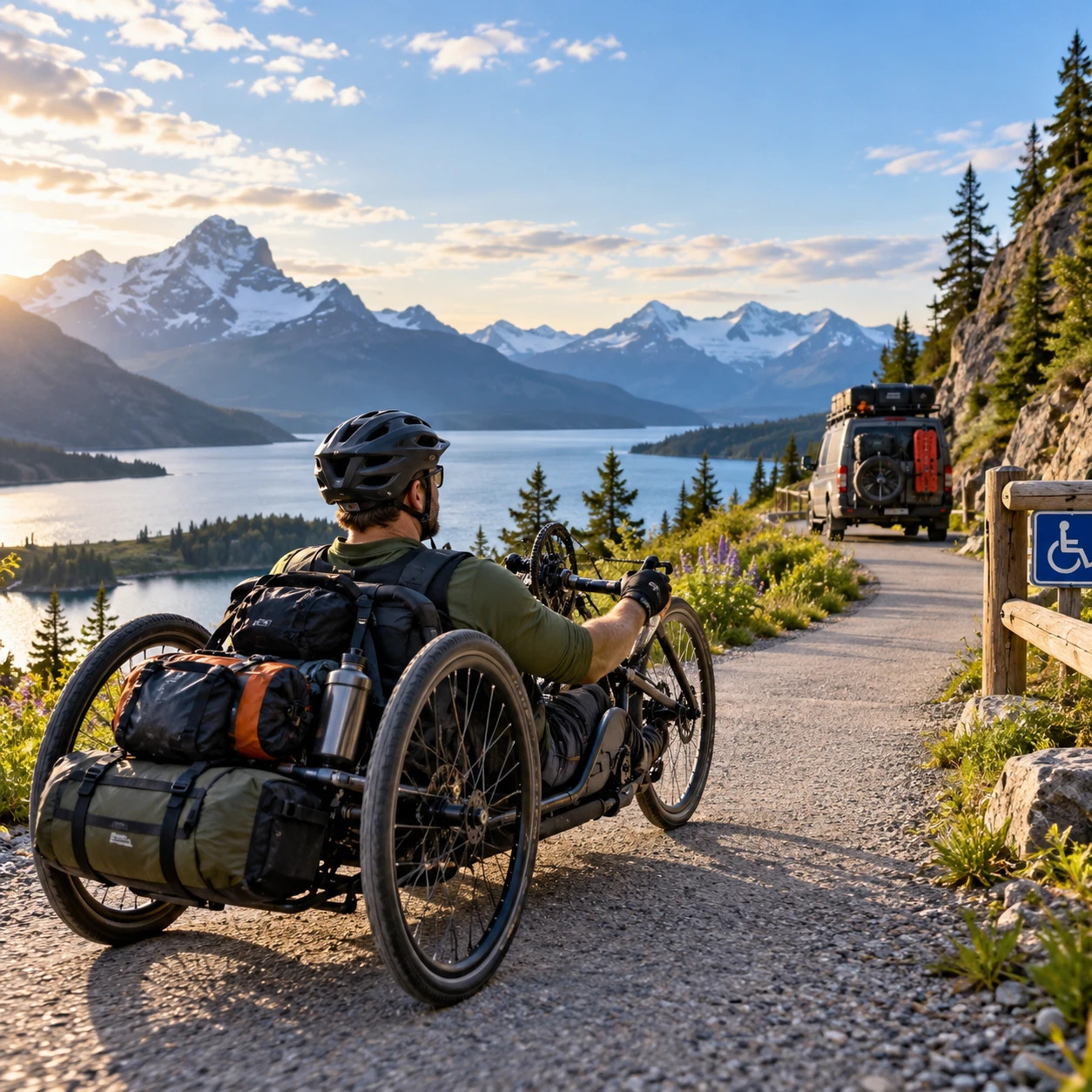
A handcycle expedition can make outdoor travel more accessible, but the costs extend beyond mileage and meals. Adaptive equipment, accessible transport, accommodation, and support may all need to appear in the budget. A clear funding plan helps connect those real needs with grants, sponsorships, and community support without assuming any one source will cover everything.
What Funding Can Support on a Handcycle Expedition
Funding for a handcycle expedition can support travel, adaptive equipment, accessibility costs, and practical assistance needed to complete the route safely. Start by listing each expense and explaining how it relates to the expedition’s goals.
Typical costs include route transport, lodging, food, permits, insurance, and equipment maintenance. Depending on the trip, a budget may also include handcycle repairs, spare parts, a suitable trailer or vehicle, and accessible transfers between trail sections. If the expedition requires a support person, identify the specific duties and related travel costs rather than grouping them under a vague “assistance” line.
Accessibility costs can be easy to overlook. For example, a standard room may not work for a traveler who needs step-free access, a roll-in shower, or space to transfer. Explain what is required and why, while seeking quotes where possible. The aim is not to justify a disability; it is to show the funder how the requested expense makes the proposed travel feasible.
- Travel: accessible vehicle rental, adapted transport, fuel, fares, and transfers.
- Equipment: handcycle hire or adaptation, repairs, tires, tools, and safety gear.
- Access: suitable lodging, accessible facilities, route information, and permits.
- People and safety: support-worker travel, communication equipment, and emergency planning.
Separate essential costs from optional upgrades. That makes the funding request easier to assess and gives you a practical fallback if a grant covers only part of the total.
Where to Look for Grants and Other Funding
Look for funding connected to disability inclusion, adaptive recreation, outdoor access, sport, community participation, or the locations your expedition will visit. The strongest match is usually a funder whose purpose overlaps with both the activity and the people who will benefit.
Begin locally: check disability organizations, adaptive sports clubs, community foundations, outdoor recreation programs, and municipal or regional grant listings. Some funders support an individual; others require a nonprofit, club, school, or community organization to apply. A partner organization may be able to administer funds, but confirm responsibilities, fees, and reporting requirements before proceeding.
Search using combinations such as “adaptive recreation grant,” “disability outdoor access funding,” “inclusive sport grant,” and the names of relevant regions or communities. Read current guidelines on the funder’s own website. A grant listed in an old directory may have closed, changed its priorities, or stopped accepting individual applications.
In the United States, the Grants.gov portal lists federal grant opportunities, though many are intended for organizations rather than individuals. It is one search point, not a guarantee that a suitable travel grant exists. Also review eligibility, allowable costs, deadlines, and reporting obligations before spending time on a full application.
Check Eligibility Before Applying
Grant eligibility depends on who applies, what the project does, where it takes place, and which expenses the funder allows. Check all four before drafting a proposal or committing money.
First, confirm the applicant rules. A fund may accept individuals, registered charities, nonprofit organizations, or adaptive sports clubs only. If an organization must apply, ask whether it can sponsor the project formally and who will manage the funds and final report.
Next, compare the expedition with the funder’s stated purpose. A personal journey may fit an adaptive recreation fund if it includes public workshops or accessible route resources; it may not fit a program limited to competitive sport. Describe the project accurately, and do not add token activities just to appear eligible.
Finally, inspect location and expense restrictions. Some grants require participants to live in a particular area, serve a defined community, or complete activities within a set period. Others exclude international travel, equipment purchases, wages, or costs incurred before an award is made.
- Applicant: Are individuals eligible, or must an organization apply?
- Project: Does the fund support travel, adaptive recreation, or the intended public benefit?
- Place and timing: Are there residency, route, or completion-date conditions?
- Expenses: Are access needs, equipment, lodging, and support costs allowable?
When guidance is unclear, contact the funder with a short, specific question. Save the answer and verify that the published rules have not changed by the time you apply.
Build a Clear, Credible Funding Proposal
A credible funding proposal explains the expedition’s purpose, route, accessibility plan, budget, and expected benefits in terms the funder can evaluate. Make the request specific enough to cost, deliver, and report on.
Open with a concise summary: who is traveling, where the handcycle expedition will take place, when it will happen, and what the funding will make possible. Then set a focused goal. “Complete a 120-kilometer accessible route and share a route guide with local handcyclists” is easier to assess than “raise awareness about disability.”
Include a realistic itinerary and explain how you checked the route. Note surface conditions, gradients, road crossings, accessible rest stops, mobile coverage, and planned alternatives. Your accessibility plan should describe the actual requirements for lodging, transport, equipment, and support, while protecting personal information that is not needed to evaluate the request.
Present a line-item budget with estimates or quotes, funding already secured, and the amount still requested. Identify which costs are essential and whether a partial award would change the route, duration, or support plan. Add a simple way to measure results, such as kilometers completed, participants reached, or a publicly shared access guide. Keep measures connected to the grant’s purpose.
Common proposal weaknesses are preventable: a lump-sum budget obscures what the grant pays for; an ambitious route without a contingency plan raises safety concerns; and broad claims about impact are hard to verify. Specifics build confidence without promising outcomes outside your control.
Alternatives and Complements to Grants
Sponsorships, crowdfunding, and community fundraising can fill gaps when grants are unavailable, restricted, or only cover part of an expedition. Combining sources spreads risk, but each source needs clear terms and transparent accounting.
A sponsorship may come from a local business, adaptive equipment provider, outdoor retailer, or transport company. Offer a realistic exchange, such as acknowledgment on a route report or an expedition update, and agree in writing on what the sponsor provides and what recognition you will deliver. Avoid promising reach or publicity you cannot control.
Crowdfunding works best when the ask is concrete. Explain the route, the accessibility costs, the funding target, and what happens if you raise less or more than expected. Break the goal into understandable amounts, such as a repair kit, several nights of accessible lodging, or a transport leg. Share updates and receipts or budget summaries where appropriate.
Community fundraising can include a club event, a local presentation, or a collection organized with a disability or outdoor group. It takes time and may raise less than expected, so treat it as one stream rather than the whole plan. Keep a record of donations and check any local rules that apply to fundraising or charitable appeals.
Plan Funding Around Expedition Logistics
Build the funding plan around the expedition’s actual logistics: handcycle setup, transport, accessible lodging, support, and backup options. A budget that follows the route is more useful than a single total assembled before the practical details are known.
Map the journey day by day and identify where the cycle will travel, how it will be transported between sections, and where repairs could happen. Confirm that vehicles, racks, storage areas, and accommodation can handle the equipment and access requirements. Quotes and written confirmations strengthen cost estimates, though prices and availability can change before departure.
Set aside a contingency for foreseeable problems such as a damaged tire, route closure, or an extra night caused by weather. The amount depends on the route and available support; explain how you calculated it rather than choosing an arbitrary percentage. Check whether a funder allows contingency spending and whether it needs approval.
Keep funding streams in a simple tracker: source, amount requested, decision date, restrictions, and reporting deadline. Do not count an unconfirmed award as secured income. If support is delayed or partial, know in advance which costs can be reduced and which access or safety needs cannot be compromised.
Frequently Asked Questions
What costs can a grant cover for a handcycle expedition?
Depending on its rules, a grant may cover transport, accessible accommodation, adaptive equipment, repairs, permits, insurance, or support costs. Confirm each item with the funder because allowable expenses vary.
Can an individual apply for disability-focused travel funding?
Some opportunities accept individuals, while others require an eligible organization. Check applicant rules first; an adaptive sports club or nonprofit may be able to apply as a formal partner if the funder permits it.
How can I find grants relevant to adaptive recreation?
Search local disability organizations, adaptive sports groups, community foundations, outdoor access programs, and official grant listings. Use specific terms such as “adaptive recreation” and verify current deadlines and eligibility on the funder’s website.
What should a handcycle expedition funding proposal include?
Include a clear goal, route and itinerary, accessibility plan, itemized budget, funding request, safety and contingency arrangements, and measurable outcomes. Explain how each requested cost supports the expedition.