Stories of Inspiring Handcycle Adventurers and Their Journeys
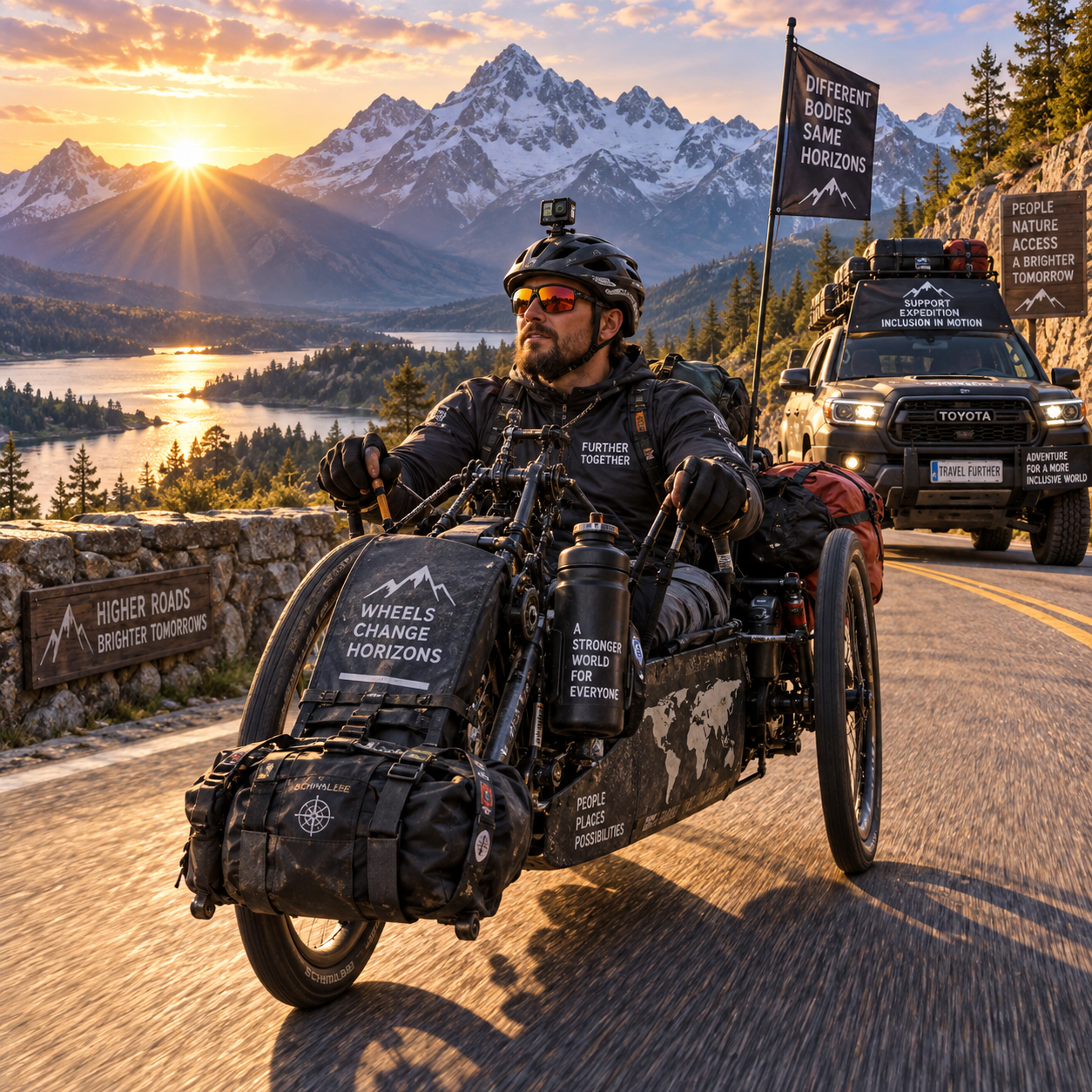
Handcycle expeditions turn movement into a conversation with the landscape. Each journey combines personal ambition with careful preparation, adaptive equipment, changing weather, and the practical question of whether a route truly welcomes every traveler. The stories of handcycle adventurers are compelling because they show both freedom and responsibility: freedom to choose a destination, and responsibility to plan for the conditions that make that choice possible.
Why Handcycle Expeditions Matter
Handcycle expeditions matter because they expand the idea of adventure travel while making accessibility visible in real places. A long-distance route can be a personal challenge, a community project, or a way to demonstrate what inclusive infrastructure makes possible.
For many handcyclists, the goal is not to prove that disability can be conquered. The goal may be to reach a family destination, complete a meaningful route, raise awareness, or experience the rhythm of travel under their own control. Those motivations differ, and so do the machines and support arrangements involved.
An adaptive handcycle can provide efficient propulsion through the arms and upper body, but it also requires the rider to understand posture, gearing, braking, transfers, and energy management. A route that appears easy to a conventional cyclist may include steep access ramps, rough shoulders, narrow gates, or a lack of accessible restrooms. These details shape the journey as much as scenery does.
That is why handcycle adventures create useful conversations about inclusive adventure travel. They ask destination managers, transport providers, communities, and travelers to think beyond a path’s existence. Width, surface, gradients, rest points, emergency access, and accurate information all affect whether a route is genuinely usable.
The Journey Begins: Choosing a Route and Preparing for Adventure
To prepare for a handcycle adventure, choose a realistic route, build endurance gradually, inspect the handcycle, and verify accessibility before departure. Good preparation reduces avoidable surprises without removing the uncertainty that makes an expedition meaningful.
Start with route intelligence
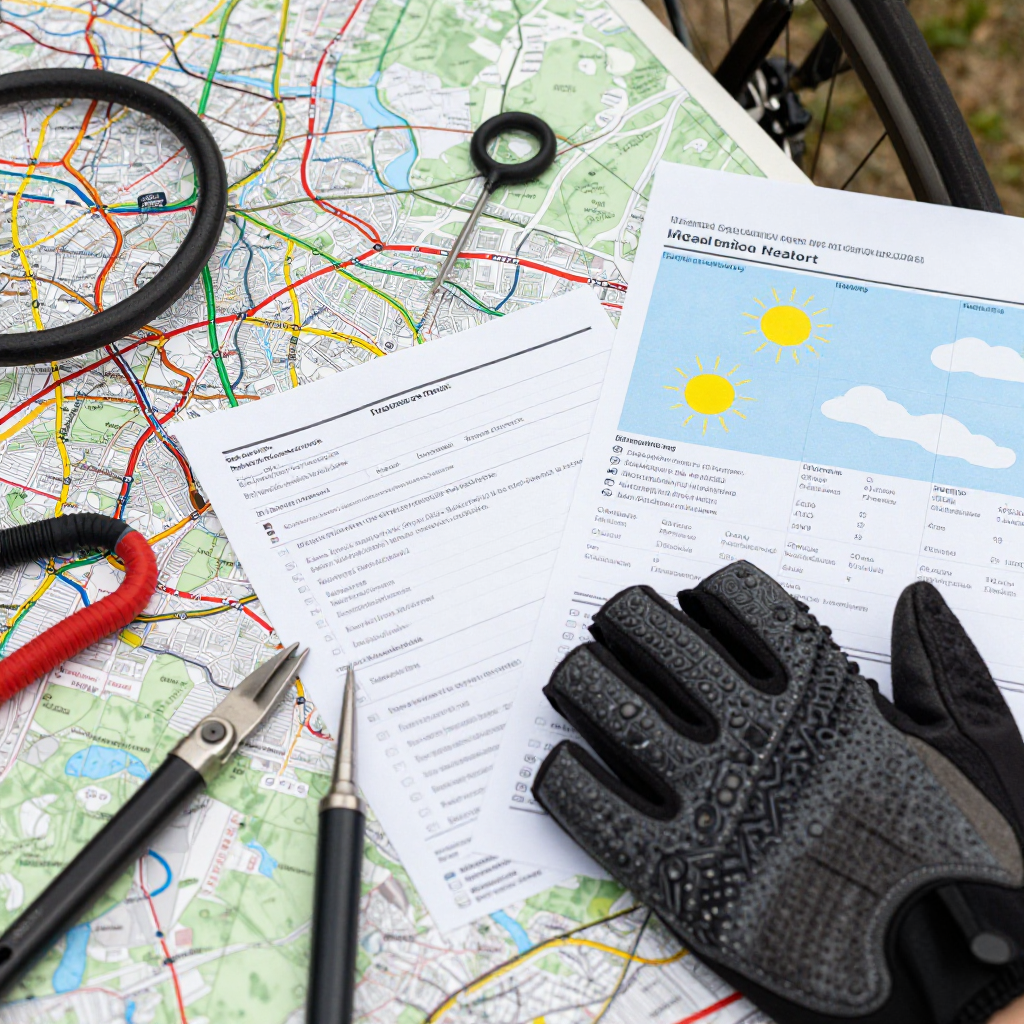
Study more than total mileage. Record surface type, sustained climbs, sharp descents, road crossings, traffic exposure, shade, water access, and possible stopping points. Mapping tools help, but local knowledge can reveal barriers that satellite images miss. Contact park offices, visitor centers, trail groups, or accommodation providers and ask specific questions about gradients, gates, toilets, parking, and emergency access.
Break long-distance routes into daily sections based on effort rather than distance. A 25-mile day on smooth pavement may demand less energy than a shorter route with loose gravel and repeated climbs. Build an alternative exit point into every stage. A flexible plan is stronger than an ambitious itinerary that has no safe way to change.
Build endurance and test the system
Endurance training should increase time in the handcycle before it increases mileage. Begin with comfortable rides, add recovery days, and practice climbing, braking, turning, and transferring while tired. A training log can track duration, perceived exertion, hand or shoulder discomfort, sleep, and recovery.
- Complete several rides on the same surface expected during the expedition.
- Practice carrying water, food, tools, spare tubes, medication, and communication devices.
- Test clothing and gloves for heat, rain, friction, and changing temperatures.
- Schedule a loaded practice ride before the departure date.
Equipment checks deserve the same attention as fitness. Inspect tires, wheels, chain or drivetrain, brakes, fasteners, seating supports, lights, flags, and battery systems where applicable. Carry a repair kit suited to the specific adaptive handcycle, then practice using it. A compact tool that nobody knows how to use is reassuring only until something fails.
Accessibility planning should also cover lodging, transport, shower access, bed height, charging, and food storage. Guidance from the National Park Service accessibility resources can help travelers frame better questions, although each site still requires direct verification.
Stories of Determination on the Road
The most useful stories of handcycle adventurers show decisions in motion: what each rider wanted, what changed, and how the plan adapted. The following composite profiles reflect common expedition experiences without assigning invented records or achievements to named individuals.
The coastal rider who changed the finish line
One rider began a coastal journey with a carefully measured schedule and a goal of reaching a distant harbor. Strong headwinds slowed progress on the first two days, while exposed sections offered little protection from weather. Rather than treating the original finish line as a test of worth, the rider and support crew divided the route into shorter stages and moved the completion point to an accessible town.
The result was still a meaningful expedition. The turning point came from recognizing that flexibility is part of endurance. The rider finished with energy to explore locally instead of using every reserve to satisfy an inflexible number.
The mountain traveler who learned to read the surface
Another adventurer chose a mountain corridor because its views and quiet roads matched a long-held dream. The first steep section exposed a problem: loose gravel reduced traction and made the handcycle difficult to control on the descent. The rider stopped, adjusted tire pressure within the manufacturer’s safe range, redistributed luggage, and arranged a vehicle transfer around the roughest segment.
That decision did not make the journey less authentic. It made it safer. The rider continued on surfaces that matched the handcycle and personal control, learning that route selection is a form of self-knowledge rather than a test of stubbornness.
The community-supported urban crossing
A third adventurer planned a multi-day crossing between cities, using accessible accommodation and public spaces as important waypoints. Volunteers met the rider at selected locations, helped identify blocked curb cuts, and shared current information about construction. A mechanic at a local cycle shop solved a drivetrain issue before it became a trip-ending failure.
Here, the achievement belonged to a network as well as one rider. The journey showed how support crews and local communities can provide practical assistance without taking ownership away from the adventurer.
Overcoming Physical and Mental Challenges
Handcycle adventurers manage physical and mental challenges through pacing, recovery, problem-solving, and realistic self-belief. Motivation helps a rider start, but repeatable routines usually determine whether an expedition remains sustainable.
Upper-body fatigue can accumulate quietly. Shoulders, wrists, elbows, hands, and the neck may tolerate one demanding day but react badly after several. Riders should monitor discomfort early, vary hand position when possible, take short breaks before exhaustion, and treat persistent pain as information rather than a character flaw.
Weather changes the calculation. Heat increases hydration needs and can make exposed surfaces feel much harder. Rain affects grip, visibility, clothing, and brake performance. Cold can reduce dexterity and battery range. A useful daily check asks three questions:
- What condition is most likely to reduce control today?
- Where can the rider stop safely if that condition appears?
- What decision would protect tomorrow’s energy?
Mental fatigue deserves equal attention. A rider may face a closed facility, an unexpected detour, a mechanical problem, or a day when the body simply does not respond as expected. Breaking the expedition into small decisions helps: reach the next safe rest point, drink, inspect the machine, reassess the forecast, then choose the next action.
Resilience does not require constant optimism. It can look like changing the plan without shame, asking for help clearly, or taking a recovery day. The expedition remains the rider’s own even when its route, pace, or endpoint changes.
The Role of Equipment, Support, and Community
Adaptive equipment, support crews, mechanics, companions, and local communities make handcycle expeditions safer and more adaptable. Support should increase options while preserving the rider’s control over decisions.
Adaptive handcycles vary widely. Some prioritize speed on pavement, while others offer stability, suspension, electric assistance, or a configuration suited to a particular transfer method. Choosing equipment involves trade-offs: a lighter setup may be easier to transport, while a more robust design may handle rougher surfaces but add weight. There is no universal best handcycle.
A support crew might carry supplies, monitor weather, drive an escort vehicle, or help with repairs. Before departure, define responsibilities and communication signals. Decide what happens if the rider wants to continue, stop, separate from the vehicle, or seek medical help. Clear agreements prevent well-intentioned support from becoming pressure.
Community assistance often fills gaps that formal services cannot. A local resident may know that a supposedly accessible entrance has a heavy door. A mechanic may recognize a compatible part. An accommodation host may offer a secure place to clean and charge equipment. These relationships work best when the traveler asks for specific help and respects the boundaries of those providing it.
Safety planning should include emergency contacts, location sharing, weather alerts, medication, accessible transport options, and a repair or evacuation budget. The U.S. Access Board’s accessibility guidance offers useful context, but legal compliance alone does not guarantee a comfortable or practical expedition experience.
Lessons Future Handcycle Adventurers Can Take Forward
Future handcycle adventurers should plan around control, information, recovery, and choice. These four filters turn inspiring stories into practical preparation.
- Control: Choose a handcycle, seating setup, and route surface that allow confident steering and braking. Do not select terrain solely because it looks impressive.
- Information: Verify accessibility details with current, specific questions. Ask for measurements, gradients, surface descriptions, gate types, and restroom access rather than accepting a general label.
- Recovery: Include rest days, spare time, food, hydration, and sleep in the itinerary. A schedule with no recovery assumes the body will behave like a machine.
- Choice: Create fallback routes, transport options, and stopping points. Flexibility protects both safety and enjoyment.
Several common mistakes are easy to prevent. Riders sometimes train only on smooth roads, then discover that rough surfaces demand very different effort. Others pack for the best forecast and have no practical rain or heat strategy. Some plan mileage carefully but overlook transfers, accessible lodging, or repair access. Each mistake comes from focusing on the visible adventure while ignoring the system around it.
A short expedition rehearsal can expose these gaps. Spend a full day using the intended equipment, carrying the planned load, eating the planned food, and following the communication system. The rehearsal may feel less exciting than the main trip. That is precisely why it works.
The Continuing Path of Inclusive Exploration
The future of inclusive exploration depends on more accessible routes, better information, adaptive technology, and respect for the varied goals of handcycle adventurers. Individual journeys can inspire change, but durable access requires cooperation from communities, land managers, transport providers, and tourism organizations.
Visibility matters when it leads to practical improvement. A story about a handcycle expedition can prompt a trail manager to publish gradient data, a hotel to clarify room dimensions, or a town to repair a curb transition. These changes benefit wheelchair users, older travelers, families, and anyone who needs predictable access.
The strongest journeys also leave room for different definitions of success. One rider may value distance. Another may care about independence, landscape, companionship, or reaching a place that once seemed inaccessible. A supported expedition is no less real than a solo one, and using an electric assist system does not erase the work involved.
Handcycle adventurers continue to widen the map of possible travel through preparation, persistence, and honest storytelling. Their journeys remind us that access is part of the route itself. When equipment, infrastructure, and community support align, long-distance adventure becomes less about asking whether someone belongs outdoors and more about making sure the path gives them a fair chance to decide where they want to go.
Frequently Asked Questions
What is a handcycle expedition?
A handcycle expedition is a planned journey using a hand-powered or electrically assisted adaptive cycle, often across multiple days or along a long-distance route. It may include camping, accessible lodging, a support crew, or independent travel.
How do handcycle adventurers prepare for long-distance journeys?
They combine endurance training with route research, equipment checks, loaded practice rides, accessibility planning, weather monitoring, rest scheduling, and emergency preparation. Training should reflect the actual terrain and carrying requirements.
What equipment is essential for a handcycle adventure?
Essential equipment usually includes a suitable adaptive handcycle, repair tools, spare tubes or compatible parts, lights, visibility equipment, water and food storage, communication devices, weather-appropriate clothing, medication, and any transfer or seating aids the rider needs.
How can routes be assessed for accessibility?
Check surface, width, gradients, barriers, gates, crossings, restrooms, parking, lodging, and emergency access. Confirm details with route managers or local contacts because conditions can change after online information is published.
What support may be needed during an expedition?
Support may include route navigation, carrying supplies, vehicle assistance, mechanical help, accessible accommodation research, medical planning, or companionship. The right level depends on the rider, equipment, route, weather, and personal goals.