The Psychology of Overcoming Physical Barriers During Handcycle Expeditions
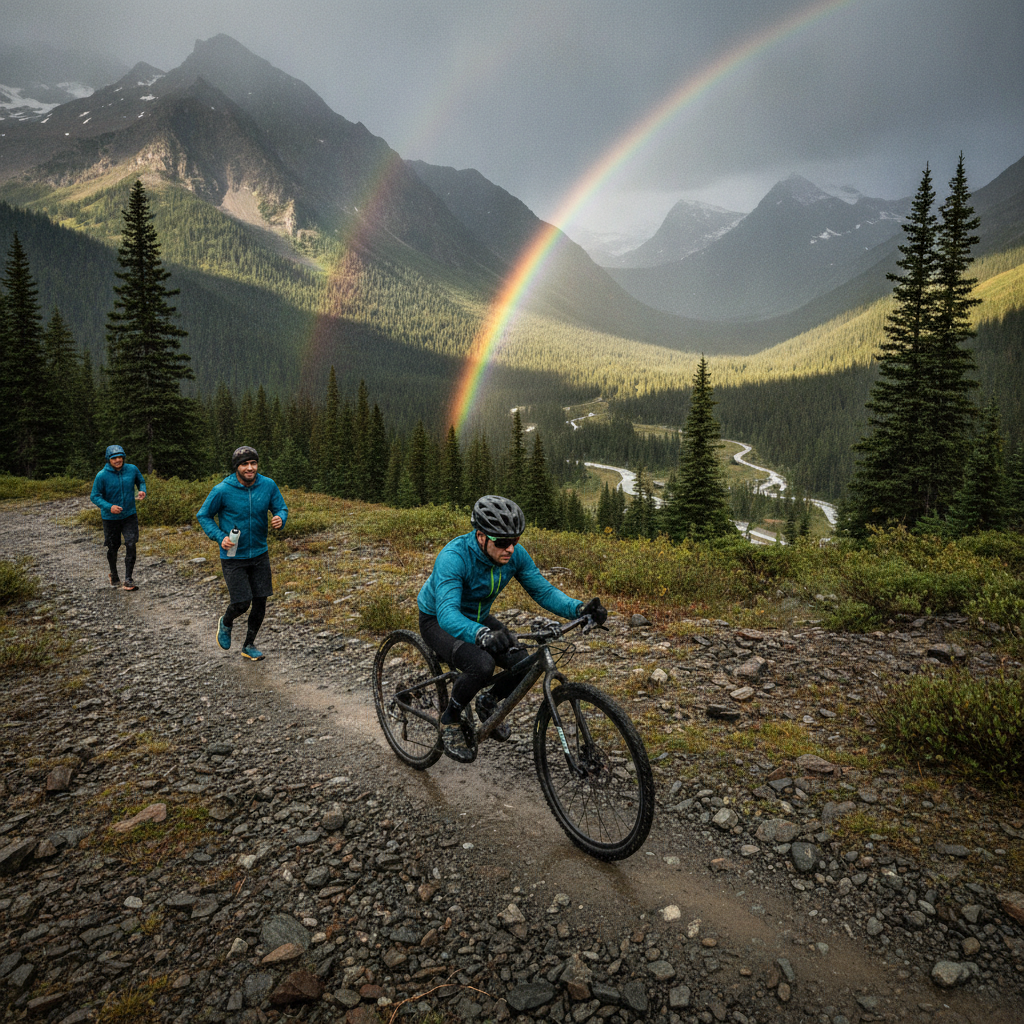
Handcycle expeditions test more than strength and endurance. Uneven surfaces, steep gradients, long distances, changing weather, transfers, equipment concerns, and limited route access all influence how a rider thinks and makes decisions. The psychology of overcoming physical barriers during expeditions develops through the interaction of physical preparation, emotional regulation, realistic planning, and trust in one’s ability to respond.
A strong mindset does not make serious risks disappear. It helps a handcyclist assess them clearly, conserve energy, ask for assistance, and continue when continuation is safe. Just as importantly, it supports the decision to rest, change the route, or stop when warning signs demand it.
Why Physical Barriers Become Psychological Challenges
Physical barriers become psychological challenges when demanding conditions affect attention, emotion, confidence, and decision-making at the same time. Terrain, distance, fatigue, weather, and uncertainty can make an obstacle feel larger than it appeared during planning.
A steep climb requires repeated propulsion, while loose gravel or a cambered surface may make each push less efficient. As the effort continues, fatigue can narrow attention. A rider may focus only on the next difficult section and lose sight of the wider plan. Weather adds another layer: rain can alter traction, cold can increase discomfort, and heat can accelerate fatigue and dehydration.
Uncertainty is often especially demanding. Questions such as “Will the surface worsen?” or “Is there a safe place to rest?” consume mental energy before a physical barrier is reached. This does not mean fear is irrational. Fear can identify genuine hazards, including unstable terrain, traffic, mechanical failure, or an inaccessible transfer point.
The useful distinction is between information and interpretation. “The gradient has increased” is information. “I cannot manage this expedition” is an interpretation. A rider can acknowledge the first without automatically accepting the second.
Building Self-Efficacy Before the Expedition
Self-efficacy grows when handcyclists repeatedly complete relevant tasks and gather evidence that they can respond to challenges. Training, route research, adaptive equipment checks, and achievable milestones turn confidence into something practical rather than wishful.
Preparation should resemble the expedition. If the route includes sustained climbing, training should include repeated propulsion under controlled conditions. If it includes rough paths, the rider should practise handling the specific handcycle on comparable surfaces where mistakes can be managed safely. Transfers, braking, turning, and recovery after a stop deserve attention too.
Route research reduces avoidable uncertainty. Examine gradients, surface types, road crossings, access restrictions, toilets, rest points, weather exposure, and alternatives around inaccessible sections. A route that appears short on a map may become demanding when it includes poor surfaces or limited opportunities to stop.
Equipment reliability also affects psychological readiness. Before departure, inspect tyres, brakes, steering, drivetrain, gloves, seating position, spare parts, communication devices, and any adaptive supports. A well-tested setup does not guarantee a trouble-free journey, but it reduces the mental load of wondering whether a familiar component will work.
Use a milestone ladder rather than one intimidating outcome:
- Complete a short practice route with similar terrain.
- Repeat the route while carrying essential supplies.
- Practise a planned rest and equipment check.
- Extend distance or elevation gradually.
- Simulate a contingency, such as changing direction or waiting out poor weather.
Each milestone supplies evidence for self-efficacy. It also reveals what needs adjustment, which is more valuable than confidence built on assumptions.
Motivation, Meaning, and Staying Focused
Motivation sustains effort when it is connected to personal meaning and supported by flexible goals. During difficult stages, process goals such as reaching the next rest point often work better than focusing only on the final destination.
Intrinsic motivation may come from exploration, independence, curiosity, connection with a landscape, or the satisfaction of solving practical problems. Some riders also value advocacy, shared experience, or demonstrating what accessible adventure can look like. The reason matters because it becomes a reference point when discomfort makes the expedition feel abstract.
Large goals still have a place, but they should be divided into controllable actions. A rider might focus on maintaining an efficient rhythm for ten minutes, reaching the next visible landmark, or completing one section before reassessing. These targets keep attention close to the present task and make progress easier to notice.
Flexible goals protect motivation from unnecessary all-or-nothing thinking. A successful expedition may involve completing the planned route, taking a safer detour, shortening the final stage, or learning that a particular surface requires different equipment. Changing the plan is not automatically failure. It can be evidence of sound judgment.
A useful framework is purpose, process, permission: remember why the journey matters, focus on the next controllable action, and give yourself permission to adapt. This structure preserves ambition without turning the original itinerary into a test of personal worth.
Managing Fear, Pain, and Fatigue on the Route
Fear, pain, and fatigue are managed through observation, pacing, breathing, planned recovery, and timely action, never by ignoring serious warning signs. Mental techniques support physical safety; they do not replace medical advice or equipment checks.
When fear rises, controlled breathing can reduce hurried responses. Try a slower exhalation while keeping attention on immediate facts: surface condition, gradient, traffic, brake function, and the next safe stopping point. Naming the hazard precisely often produces a better decision than treating the entire route as threatening.
Attention management also matters. On technical terrain, concentrate on steering, line choice, hand position, and braking. On easier sections, widen attention to posture, hydration, weather, and energy reserves. This deliberate shift prevents the mind from spending equal effort on every possible problem.
Pacing is both a physical and psychological tool. Start below maximum effort, maintain a sustainable propulsion rhythm, and schedule rests before exhaustion becomes urgent. Resting early can feel inefficient, especially when a destination is close, yet it may preserve control and reduce the chance of a longer recovery later.
Pain requires individual judgment. New, sharp, escalating, or function-limiting pain deserves attention, as do symptoms such as dizziness, unusual weakness, numbness, confusion, or breathing difficulty. Stop in a safe place, assess the situation, and follow an appropriate medical or expedition safety plan. Perseverance means responding intelligently to difficulty; it does not mean pushing through potential injury.
Energy management should include food, fluids, temperature protection, and realistic expectations about propulsion demands. Choosing a faster pace for an early section may mean accepting reduced reserves later. The best pacing decision is the one that leaves enough capacity for the route’s most demanding or least accessible section.
Turning Setbacks Into Manageable Problems
Setbacks become more manageable when riders separate the problem from their identity, define the next decision, and use a prepared contingency plan. A blocked path, mechanical issue, unexpected gradient, or weather change is a planning problem, not proof of personal inadequacy.
Begin with a short reset: stop safely, breathe, and identify what has changed. Then ask three questions:
- What is the immediate hazard?
- What options are available within my energy, equipment, and support limits?
- What choice preserves safety and future options?
Breaking an obstacle into steps reduces cognitive overload. Instead of “I must overcome this entire climb,” the task may become checking the surface, selecting a line, moving to a safe point, resting, and reassessing. The sequence creates momentum without pretending the barrier is easy.
Contingency plans should be specific. Identify possible turnaround points, transport access, alternate surfaces, emergency contacts, repair options, and locations where companions can assist. If a route becomes unsafe, adapting early usually requires less energy than waiting until every reserve has been used.
Common mistakes include treating the planned route as non-negotiable, hiding a problem to avoid disappointing companions, and confusing a temporary loss of confidence with a permanent loss of ability. Correct these by defining stop criteria in advance, agreeing on communication signals, and recording what actually happened. Good expedition preparation includes an exit strategy.
The Role of Support and Expedition Companions
Supportive companions improve expedition performance by sharing information, reducing isolation, and helping with practical tasks while respecting rider autonomy. Effective support is coordinated assistance, not control.
Before departure, discuss what help is welcome and when it should be offered. A rider may want a companion to scout a surface, carry supplies, check a map, stabilise equipment during a transfer, or provide encouragement. These preferences can change with fatigue, so brief check-ins are useful.
Clear communication prevents small problems from becoming stressful misunderstandings. Agree on simple phrases for “stop,” “slow down,” “I need information,” and “I need physical assistance.” Companions should also know the planned route, weather concerns, emergency contacts, and the rider’s personal warning signs.
Encouragement works best when it is specific. “You handled that loose section well” reinforces usable evidence. Repeated pressure to continue can undermine trust, especially when the rider is assessing pain or equipment risk. Independence and assistance are compatible: accepting help can be a deliberate strategy for preserving energy and making one’s own decisions.
For group expeditions, assign practical roles without reducing the handcyclist to a passive passenger. The rider remains central to decisions about pace, route changes, rest, and continuation. That balance supports both safety and psychological ownership.
Recovering Mentally After a Demanding Expedition
Mental recovery after an expedition involves rest, reflection, recognition of progress, and specific learning for the next journey. Recovery gives the experience meaning and strengthens future self-efficacy.
Allow physical recovery before judging performance. Fatigue can make an expedition seem worse immediately afterward, while relief can make risks seem smaller than they were. Once rested, review the journey using three categories: what worked, what created unnecessary difficulty, and what should change next time.
Record concrete evidence. Note the terrain that required more energy than expected, the pace that felt sustainable, the equipment that performed well, and the point at which weather or fatigue altered the plan. This turns memory into better expedition preparation.
Acknowledge progress accurately. Completing a challenging route matters, but so does making a safe turnaround, communicating early, or protecting an injured area. These decisions build durable confidence because they demonstrate judgment under pressure.
The psychology of overcoming physical barriers is therefore cumulative. Each handcycle expedition adds information about the rider, the machine, the route, and the conditions. Confidence becomes strongest when it rests on preparation, realistic expectations, and the proven ability to adapt.
Frequently Asked Questions
How can handcyclists prepare mentally for difficult terrain?
Study the route, practise on comparable surfaces, divide the journey into sections, rehearse rest and contingency plans, and define clear safety limits. Familiarity with the handcycle’s braking, steering, propulsion, and transfer demands makes difficult terrain easier to assess.
How do you manage fear during a handcycle expedition?
Pause safely, slow the exhalation, identify the specific hazard, and choose the next controllable action. Fear should inform a risk assessment. If the hazard exceeds the rider’s equipment, energy, skills, or support, changing the plan is the responsible response.
What is the difference between perseverance and ignoring physical warning signs?
Perseverance involves sustained effort with continuous monitoring and adaptation. Ignoring physical warning signs means overriding symptoms such as escalating pain, numbness, dizziness, unusual weakness, or loss of control. The latter can increase injury and safety risks.
How can pacing improve mental resilience?
Pacing preserves energy, reduces panic caused by sudden exhaustion, and creates predictable opportunities to reassess. A sustainable rhythm gives the rider more control over decisions later in the route, when terrain or weather may become harder.
How does support from companions affect expedition performance?
Companions can reduce cognitive load by sharing navigation, scouting hazards, carrying supplies, and helping with agreed tasks. Support works best when communication is clear and the rider retains autonomy over pace, assistance, route changes, and stopping decisions.